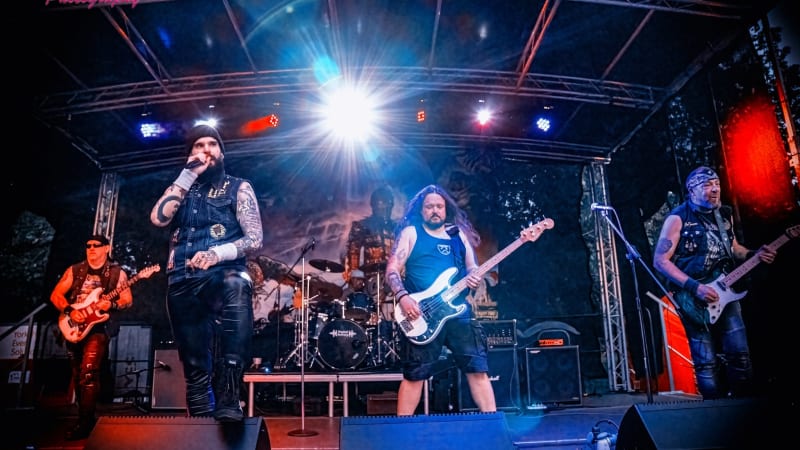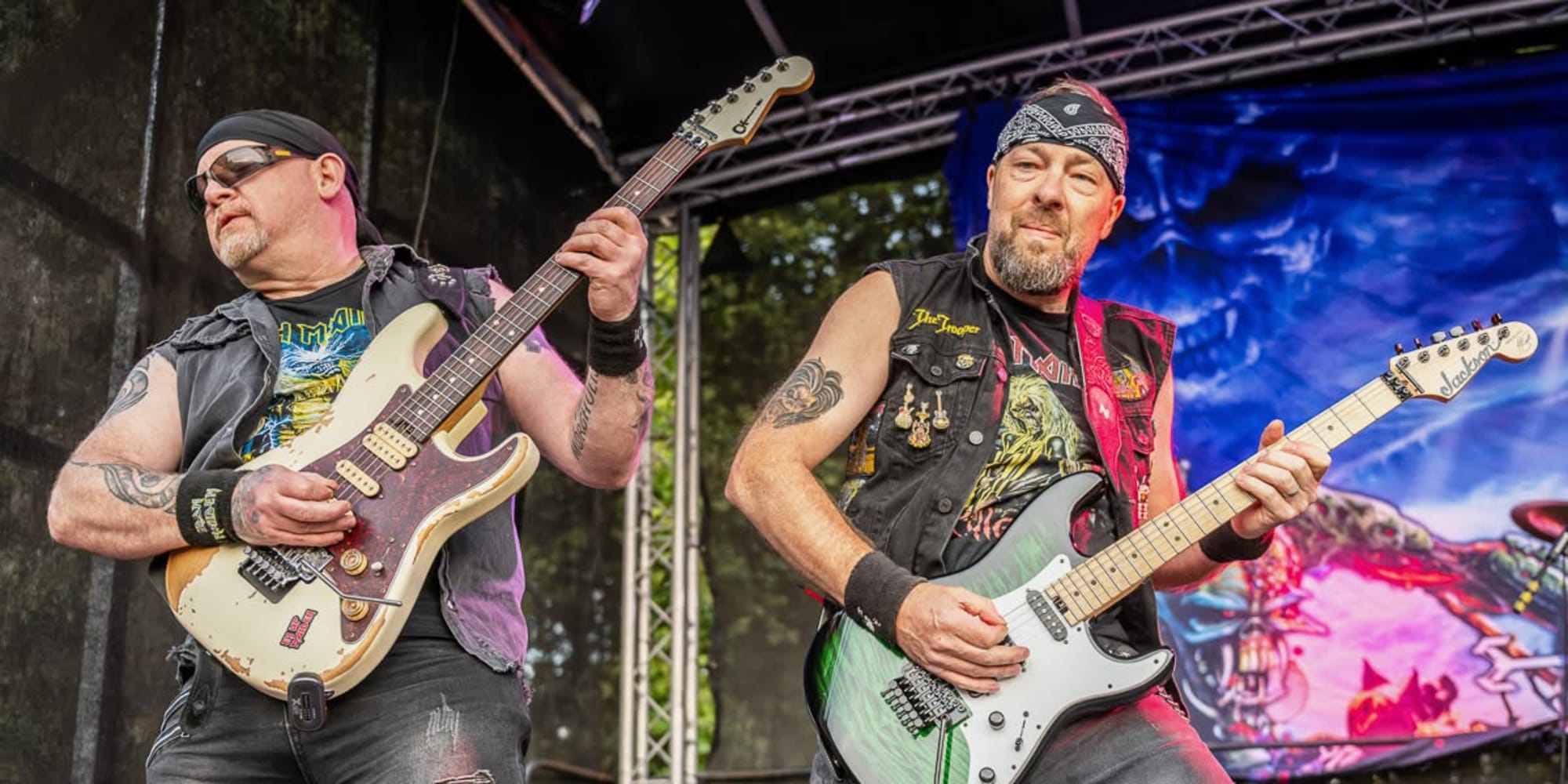
Most of our gigs are free entry or ticketed at under £20. People sometimes ask why we don't charge more, especially for a two-hour show with twin guitars, the Eddie backdrop and twenty-odd Maiden classics. The answer is simple: we got into this because live music in a pub on a Saturday night is one of the best things in British life, and it only works if ordinary people can afford to be there.
That's getting harder, for fans and for the venues that host us. Here's what the numbers say, and why we think bands like ours have a part to play.
A night out has got expensive
According to Santander's 2026 "Gigflation" research, the average UK gig ticket now costs £128, up 212% since 2000 and roughly 120% above inflation over the same period. That's before booking fees, travel, food and a drink. In the same survey, 71% of concert-goers said rising costs had made them think twice about seeing artists live.
For a family, or a couple on an ordinary wage, that changes a night out from something you do into something you save up for. One big show can cost the same as a month of nights at your local.
Britain is losing about a pub a day
At the same time, the places where live music has always been cheapest are closing. The British Beer & Pub Association reports that 295 pubs shut in the first nine months of 2026, with 360 expected by the end of the year: roughly one a day. That follows 336 net closures in 2025 and almost 2,200 over the past five years. Yorkshire and the Humber alone lost 27 pubs between January and September.
The BBPA puts much of the blame on the tax burden, including an extra £322m of business costs from the November 2025 Budget. There has been some help: from April 2026, eligible pubs and live music venues in England get 15% off their business rates. It's welcome, but in the government's own example it saves an independent pub about £1,549 a year. That won't stop many closures.
Music venues are on a knife edge too
It isn't only pubs. The Music Venue Trust's 2025 annual report found that more than half of grassroots music venues made no profit over the previous year, and those that did ran on average margins of just 2.5%. Thirty closed for good, and another 48 stopped putting on live music. At margins like that, one quiet month or one big bill is the difference between staying open and calling last orders for good.
What it means for tribute and cover bands
Pubs and clubs are our circuit. Nearly every gig in our diary, from the Duck & Drake in Leeds to The Pub in Lancaster, is in a room that has to make the night pay through the bar. When a pub closes, it isn't just a place to drink that disappears. It's a stage, a Saturday night and a reason for a few hundred people to leave the house.
Tribute and cover bands are also part of the answer, and the evidence suggests people know it. A survey by the Night Time Industries Association found that around one in five UK adults went to a tribute show in the past year, and 30% expect to go to more, mainly because it's cheaper than seeing the original artist. More than two-thirds agreed that seeing major acts live has become too expensive. Stephen Bradley of Belfast's Empire Music Hall told the Irish News that they sometimes price tribute shows "at under £20 a ticket", while stadium gigs are pushing £100 for a basic seat.
That puts a responsibility on bands like us. If a landlord can't make a band's fee back over the bar, they won't book live music, and if the door price puts people off, the room stays empty. Pricing ourselves out of pubs would be pricing ourselves out of a job, and it would take another night of live music away from a town that needs it.
How we try to keep it affordable
- Free entry where the venue can carry it. Many of our pub shows are free, paid for by the bar. A busy room is worth more to a landlord than a door charge that keeps people away.
- Ticketed shows kept under £20. Where a venue needs to sell tickets, we work with them to keep the price at a level people can say yes to without checking their bank balance first.
- Fees a pub can make back. We'd rather play more nights in more rooms than fewer nights for more money. You can see how we set our fees in our cost guide.
- The full show, whatever the price. Free entry doesn't mean a cut-down set. Every crowd gets the same two hours we'd play anywhere.
What you can do
If you want live music to still be there in five years, the best thing you can do is use it. Go to the gig at your local. Buy a drink at the bar rather than pre-loading at home. Bring a mate who hasn't been out in months. Follow your local venues and share their events, because a gig that sells out in advance is one the landlord books again.
Our upcoming gigs are all listed, most of them free or cheap, and we'd love to see you at one. And if you run a pub or club that's wondering whether live music can still pay, get in touch. We'll be straight with you about what works.
Frequently asked questions
How much does it cost to see Ey Up Maiden?
Many of our pub gigs are free entry. Ticketed shows are typically under £20. Check each gig on our gigs page for details.
How much have gig ticket prices gone up?
Santander's 2026 research puts the average UK gig ticket at £128, up 212% since 2000 and well ahead of inflation, before fees, travel and drinks.
How many pubs are closing in the UK?
The British Beer & Pub Association counted 295 closures in the first nine months of 2026 and expects around 360 by the end of the year, about one a day.
Why do pub closures matter for bands?
Pubs and clubs are where most tribute and cover bands play. Every closure removes a stage and a regular night of live music, and makes it harder for bands to keep a circuit of gigs going.
Are tribute bands a cheaper alternative to big concerts?
Usually, yes. Tribute shows are often free or under £20, compared with an average £128 for a major gig, and about one in five UK adults went to one in the past year.
Last updated: 31 October 2026.